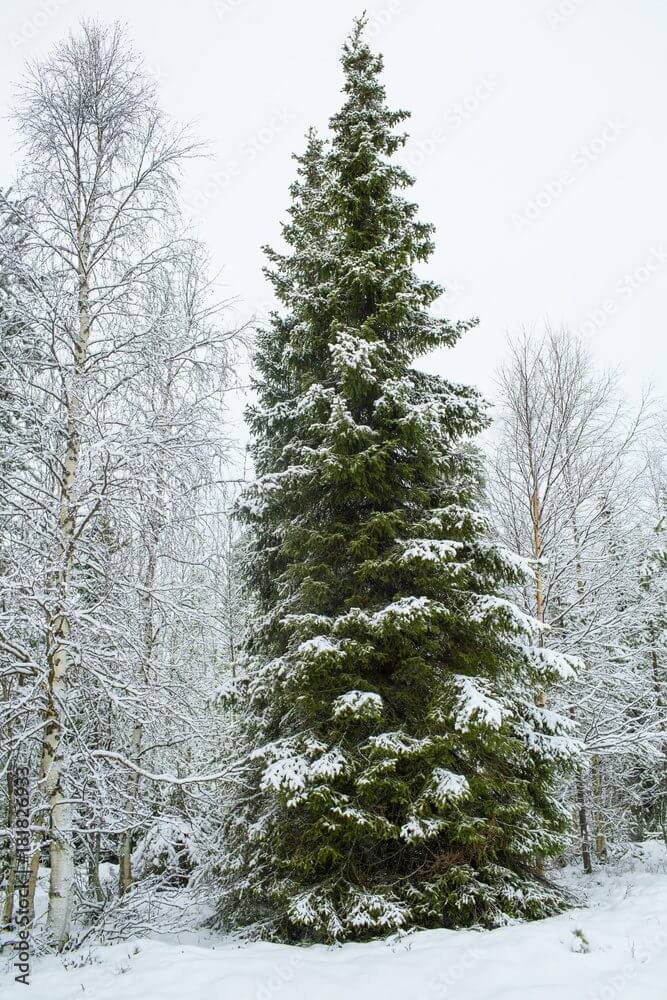
Winter Season
In winter, most trees enter a state of dormancy—a type of hibernation where growth slows or stops entirely. This helps trees conserve energy and moisture during cold, dry conditions. Although trees appear still, they’re enduring stress from freezing temperatures, snow, ice, and wind, all of which can damage branches, bark, and roots.
Winter Tree Care & Maintenance Tips
Inspect for Weak or Damaged Limbs
Spot cracked, dead, or leaning branches early. These are hazards under snow or ice weight.
Prune During Dormancy
Late winter is ideal for pruning—no leaves, less risk of disease.
(Trick: Trees heal faster when pruned before spring growth starts.)
Wrap Young or Thin-Barked Trees
Protect from sunscald and frost cracks with breathable tree wrap.
(Trick: Remove wraps in early spring to avoid pests nesting inside.)
Add Mulch to Insulate Roots
2–4 inches of mulch helps retain soil warmth and moisture.
(Trick: Use mulch to create a “donut,” not a volcano—keep it off the trunk.)
Water on Warm Days
If there's no snow cover and the ground isn’t frozen, water young or newly planted trees.
(Trick: Morning watering is best—avoids overnight freezing at the roots.)
Shield Trees from Salt & Snow Damage
Use burlap screens near roads or walkways.
(Trick: Mix sand or pet-safe deicer into salt-heavy areas to reduce tree impact.)
Remove Snow Gently
Sweep upward with a broom to clear snow from branches. Never try to break off ice.
Mark Trees for Snow Equipment Visibility
Use flags or stakes to prevent accidental damage from snowplows or blowers.